
In development
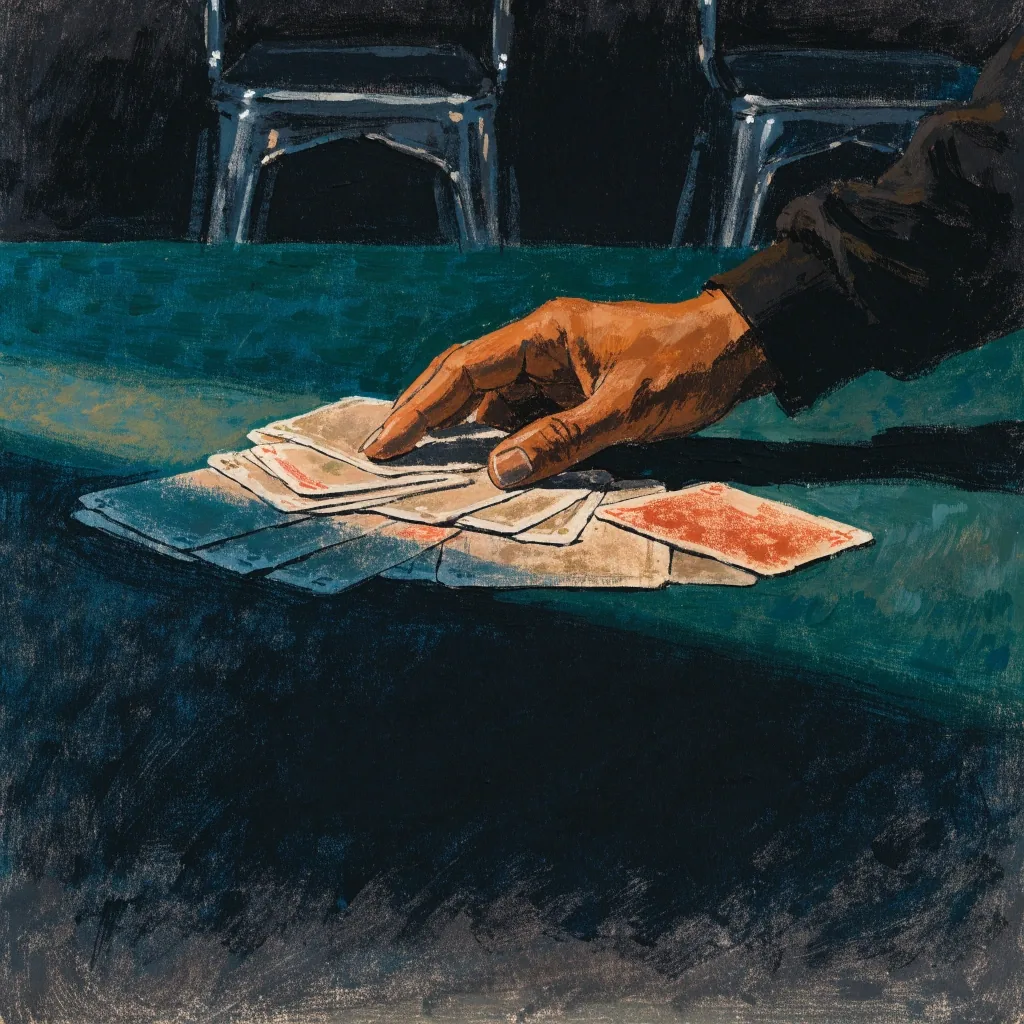
The deckbuilder
A build-decision roguelike where the run is shaped by what you keep, not what you draw. Playable internal build, core loop locked, art direction still moving.
Earley, Reading — PC-first studio
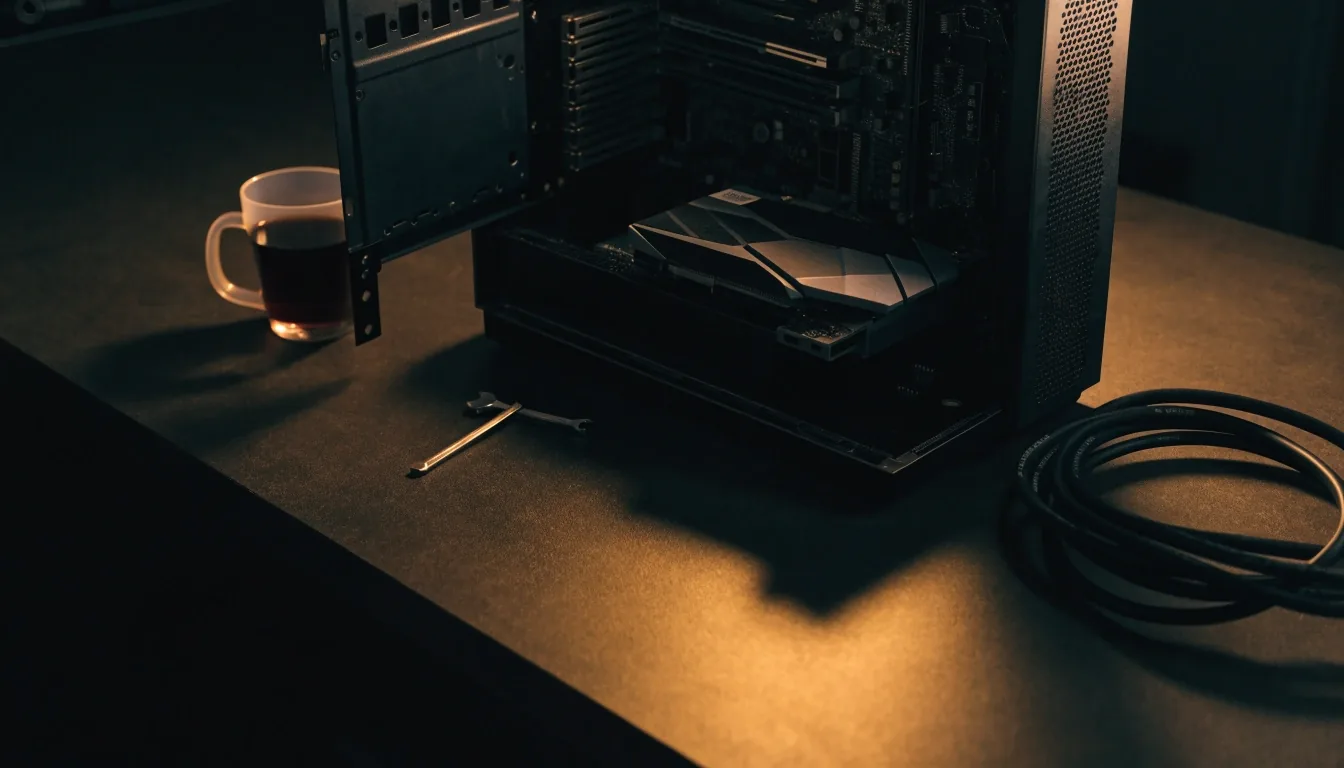
Northwood Retail is a small UK game development studio building PC-first games and the practical desktop applications that grow out of them. Start here to see what we make, what is in development, and where to look next.
What the studio actually makes
We work on two tracks. One is games: PC-first titles built around a clear core loop, usually starting as a prototype we can play within weeks rather than a pitch deck. The other is desktop applications for Windows, small utilities that solve a specific job.
The two tracks feed each other. A tool built to fix a problem in our own pipeline often turns into something worth releasing. Right now the studio is closest to the games side, with application work running alongside it. You can see the full picture on the Games and PC Applications pages.
The release shelf
None of our current titles is marketed with a hard release date until the build is genuinely close, because a date that slips costs more trust than it buys. These are the shapes the studio is working in right now — swipe through the shelf, then read the state of each project below it.
Swipe or scroll the shelf →
In development
A build-decision roguelike where the run is shaped by what you keep, not what you draw. Playable internal build, core loop locked, art direction still moving.
In development
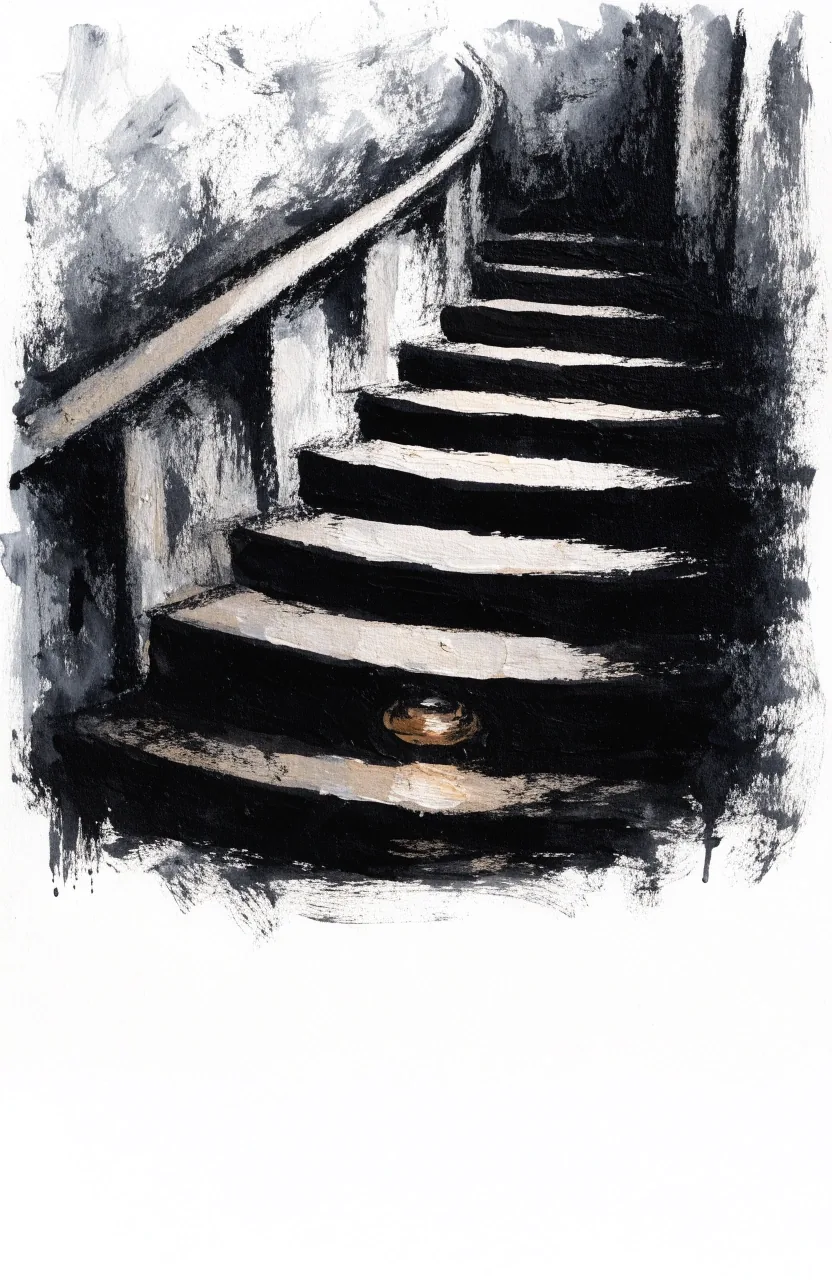
Reasoning over reflexes. Evidence you assemble yourself, and conclusions the game never spells out for you. Early build, still finding its case structure.
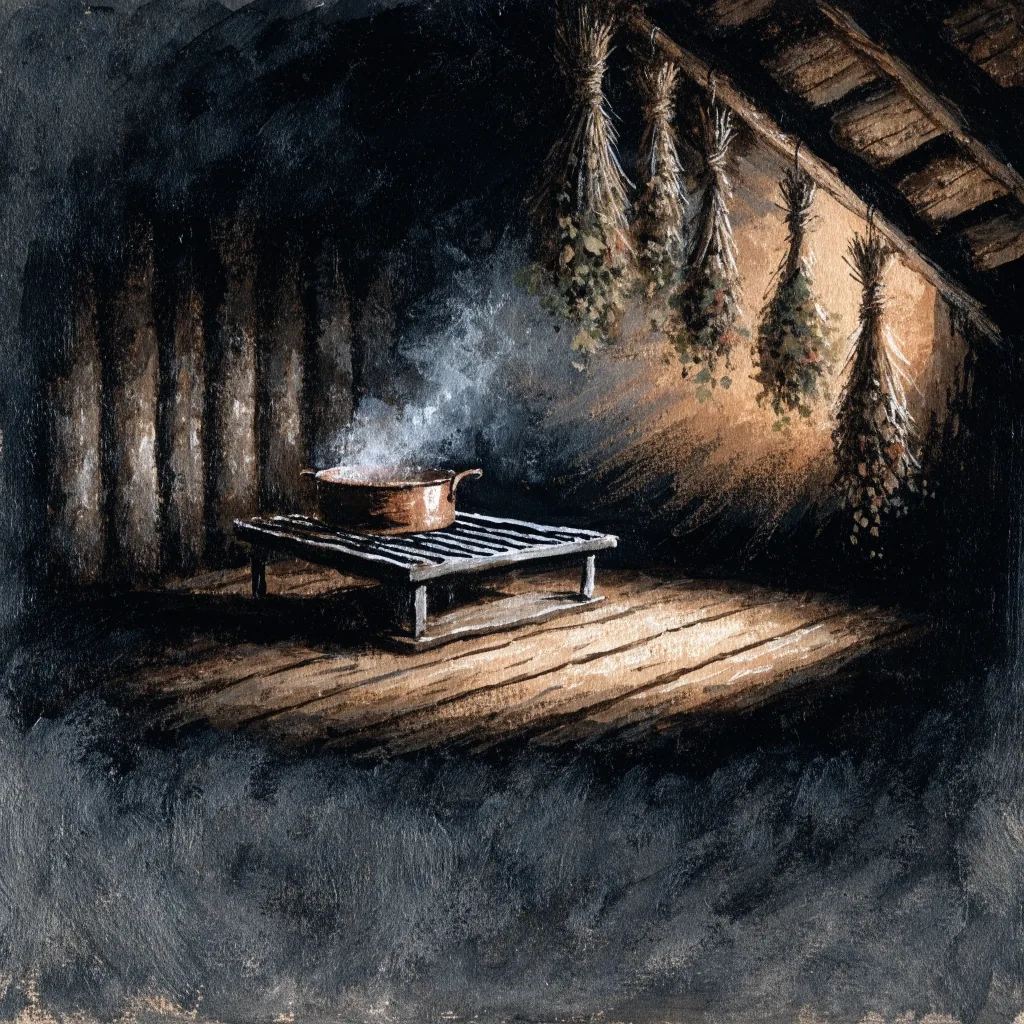
Concept
A slower management loop about keeping a small place running. Prototype stage — we are testing whether the routine stays interesting past the first hour.
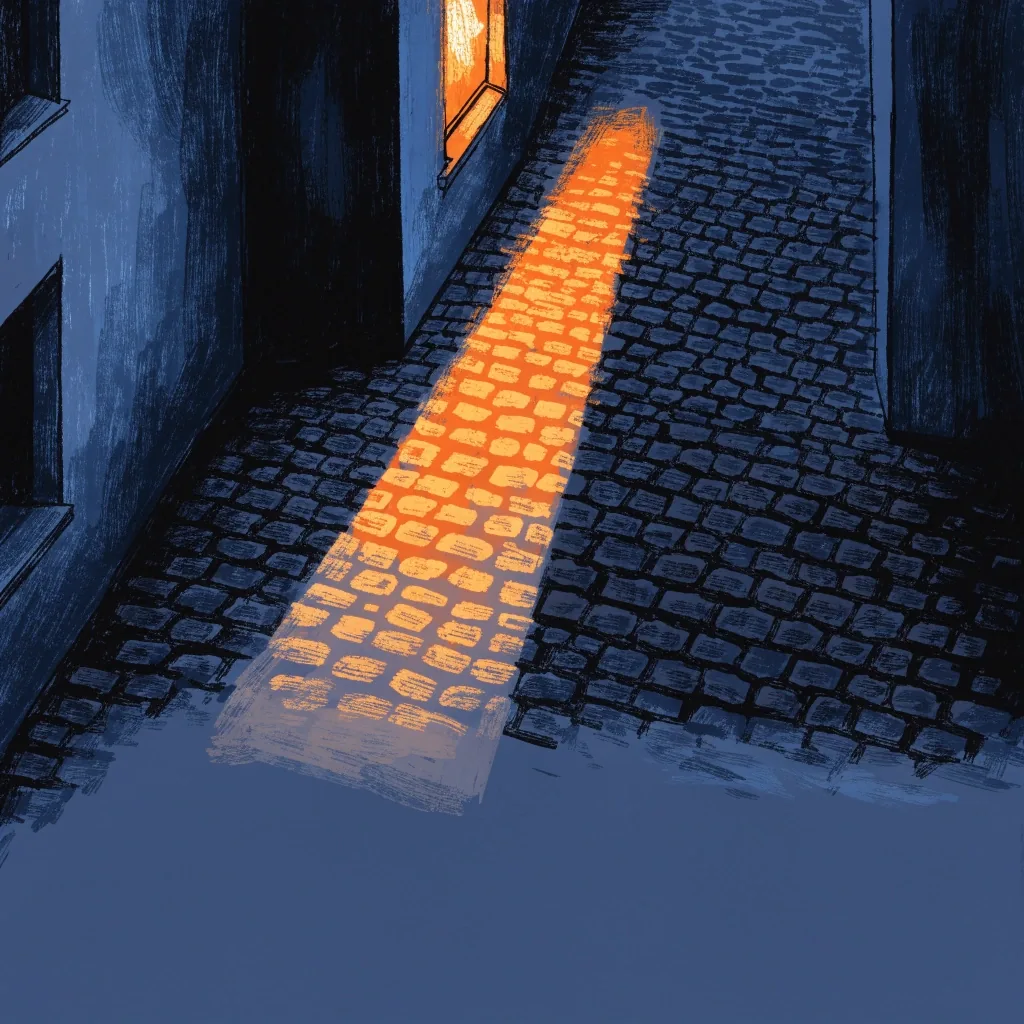
Concept
Exploration and a light inventory game wrapped around one street that keeps changing. Earliest of the four — design shapes only, no playable build yet.
Stages are written the way we actually track them internally, not as marketing positions. When something moves a stage, the ledger on the Games page moves with it.
How we build
A mechanic you can test in an afternoon tells you more than a setting you can only describe. We prototype fast, play the thing, and keep what is already fun without a tutorial attached. These are the four stages every project passes through before it earns a page on this site.
The idea goes on paper as a loop, not a pitch. If the mechanic cannot be written in a few lines, it probably is not a mechanic yet.
Playable within weeks, ugly on purpose. We test the core before adding art, sound or a single line of story.
People who are not us sit down with it. What survives their attention, without a tutorial, decides what stays.
The version you get has the control scheme, the readability and the frame rate settled before it earns a store page.
Studio notes and reading
We publish short written updates on Studio Notes: progress on active projects, design thoughts, and reflections on the games and tools we are working on. It is not a marketing feed and it is not padded. If you want to know how the studio thinks before you try anything we have made, start there.
Design decisions
A loop you can describe in a sentence is a loop you can test this week. Setting and tone arrive once the mechanic holds on its own, and not the other way around.
Catch up on Studio Notes →Tools and utilities
Some utilities start as an internal fix for a repetitive job. If the same fix keeps saving us minutes every day, that is our signal it is worth finishing and shipping.
See the PC applications →Evaluating a studio
Does the developer name their genre? Is there a playable build or only concept art? Do they say plainly what is finished and what is not? Those three answers tell you most of it.
About the studio →The desktop application side
Not everything we build is a game. We make Windows utilities for jobs that are small but repetitive: file handling, quick reference tools, workflow helpers that save a few minutes a day. These apps are typically narrow in scope and finished rather than sprawling.
If you have spent time in modding, creator tools, or the Steam-adjacent utility space, the design language will feel familiar. Each tool is listed with what it does and who it is for, and we do not oversell the scope.
Straight answers
Every page on this site is written so you can check the answer yourself. If something is still early, we say so.
The studio is at 3 Victoria Place, Earley, Reading, England. Working hours are Monday to Friday, 9:00 AM to 6:00 PM.
PC first. Games and desktop applications are both built with Windows in mind, and control schemes start with keyboard and mouse. Controller support is added later, where it makes sense for the game.
Some projects are at a playable internal stage and others are further along. The Games page lists each project with its current state, so you are never guessing how close something is.
Our desktop applications are built for PC. Games are designed for PC first, with controller support added later where it makes sense. Mobile is not a track we work on.
Email [email protected], or use the postal address on the Contact page. The Contact page explains which kinds of messages the studio can respond to.
Where to go next
If you want the games, start with the Games page. If you want the tools, go to PC Applications. If you want the process behind both, How We Build covers concept through release. And if you want to reach us directly, the Contact page has the studio email and postal address — none of it is hidden behind a signup form.
Read more
Contact the studio
3 Victoria PlaceMonday to Friday, 9:00 AM – 6:00 PM